
The ACOi Certification was developed to build international capacity in dog rabies-endemic regions. It is NOT intended for U.S. based animal control officers. If you are unsure whether you qualify, contact support@justiceclearinghouse.com before enrolling.
Animal Care & Control International Officer Certification
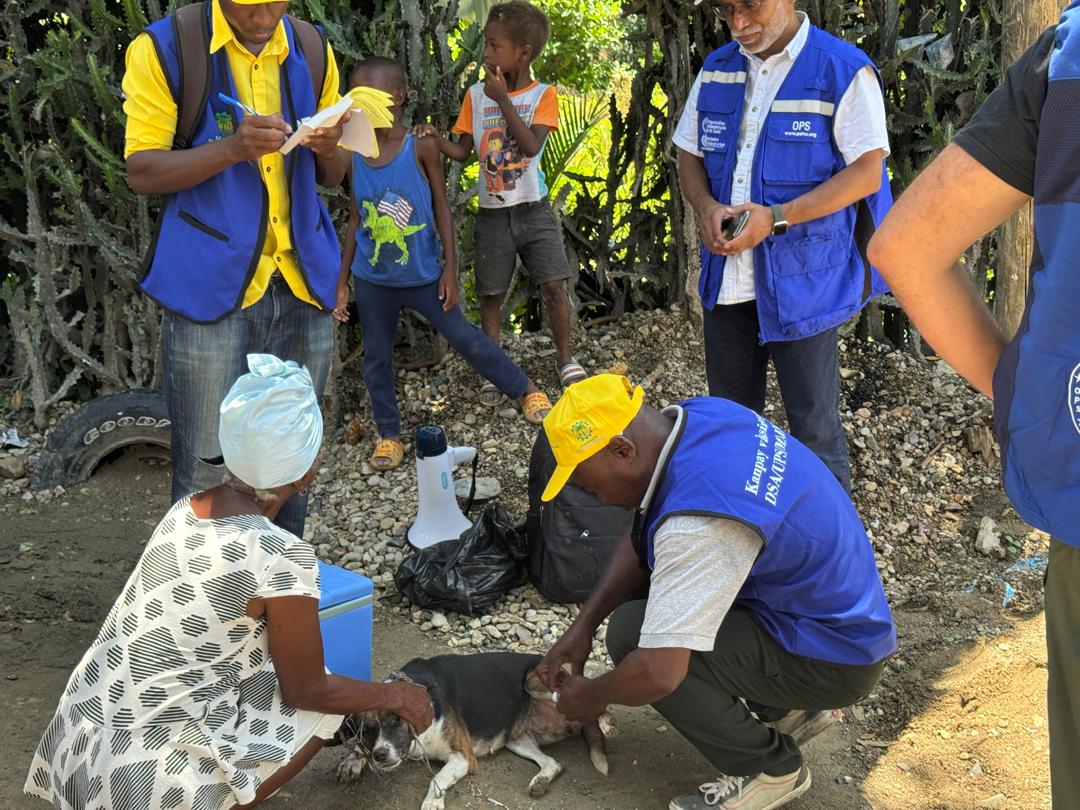
This certification establishes a rigorous international standard for rabies surveillance practices, emphasizing epidemiology, field investigation, interagency coordination, data collection, and public health integration. IRSO-certified professionals demonstrate advanced competency in identifying rabies risk, supporting surveillance systems, and contributing to coordinated rabies prevention efforts across local, national, and international frameworks.
Who this course is for
- Animal health, animal control, and public safety professionals working in the field
- Professionals operating in dog rabies–endemic environments where animal control is frontline public health
- Great fit for learners in:
- Municipal animal control programs
- National veterinary services
- One Health initiatives
- Animal welfare NGOs
- Ideal for individuals seeking advanced, internationally standardized training and a professional credential
Accessibility & enrollment options
- Individual enrollment available
- Group rates available
- Sponsored placements / scholarship opportunities for qualifying professionals in low-resource settings
- NACA can support enrollment conversations for:
- organizations seeking group participation
- individuals requesting scholarship consideration
Course & credential overview
- Full credential title: Animal Care & Control International Officer Certification (ACOi)
- A globally recognized, internationally applicable professional credential
- Developed to establish a rigorous international standard for animal care and control practice
- Offered in English and French
- Delivered via the Justice Clearinghouse learning platform
What learners can expect to gain
- Confidence to operate effectively in complex animal care and public safety environments
- Improved ability to contribute to rabies surveillance and prevention
- A credential that demonstrates advanced competency aligned with international best practices
- Clear professional development value for career recognition and advancement
Strengthen public safety and animal welfare outcomes while earning an internationally recognized credential—built for the realities of rabies-endemic field work.
What the certification covers
Field-ready international competencies
- Rabies awareness and understanding dog-mediated rabies risk
- Risk assessment and field response readiness
- Recognizing aggression indicators through interpretation of canine behavior and communication
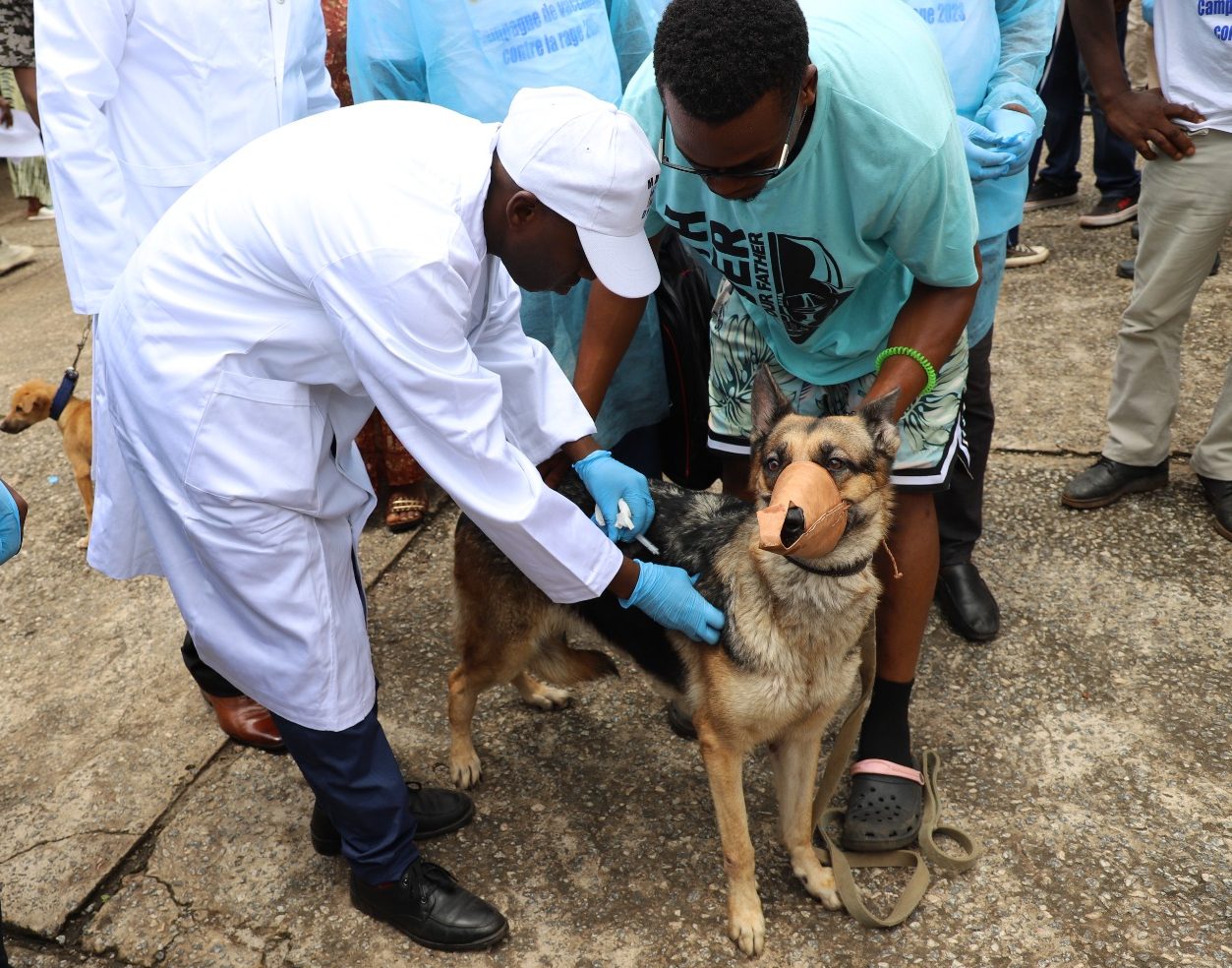
- Humane, safe, and effective handling techniques
- De-escalation in the field to reduce risk to people and animals
- Equipment use and personal safety practices, including correct PPE use
Professional practice & ethics
- Ethical decision-making
- Bias awareness
- Meaningful community engagement aligned with international best practices



Questions? Interested in Group Rates?
Contact NACA
This course was supported by Grant or Cooperative Agreement Number NU51CK000311, funded by the Centers for Disease Control and Prevention. Its contents are solely the responsibility of the authors and do not necessarily represent the official views of the Centers for Disease Control and Prevention or the Department of Health and Human Services.